Why Updated Professional Headshots and Lifestyle Photos Help You Attract More Clients

Updated: Sep 9
A potential client often sees your photo before they read your bio, browse your services, or send an inquiry. That first visual cue can either build trust or create hesitation.
Professional headshots do not need to be stiff, formal, or overproduced to be effective. In fact, the most useful professional photos often feel simple, current, and approachable. They show a real person behind the work, which matters whether the image appears on LinkedIn, your own website, an online directory, a speaker page, or an email signature.
Updated headshots and lifestyle photos help people feel that they are meeting you before they meet you. That small sense of familiarity can make it easier for someone to take the next step.

First impressions happen before the first conversation
Most people do a little research before reaching out to a professional. They may look at a LinkedIn profile, skim an about page, compare local service providers, or read your business reviews.
A dated photo can quietly work against that process.
If a headshot is several years old, heavily edited, poorly lit, cropped from an event, or taken in a distracting setting, it may not match the level of care you bring to your work. It can also creates a disconnect when someone meets you in person or on a video call.
A current image tells your potential client that:
You are active and present in your field.
You care about details.
You are easy to recognize.
You take your professional presence seriously.
A good professional image should look polished, but still human. And not have 3 arms from AI!
Professional headshots should match how you work with clients
The best headshots are not one-size-fits-all. A therapist, photographer, real estate agent, consultant, coach, designer, attorney, and wellness provider may all need professional portraits, yet the tone of those portraits should feel different.
The question is not, “Do I look professional enough?” The better question is, “Does this image help the right client feel comfortable contacting me?”
For many service-based professionals, warmth matters as much as competence. Clients often choose someone they believe they can trust, talk to, and feel at ease with.
A rigid studio photo may look clean, but it may not always communicate approachability.
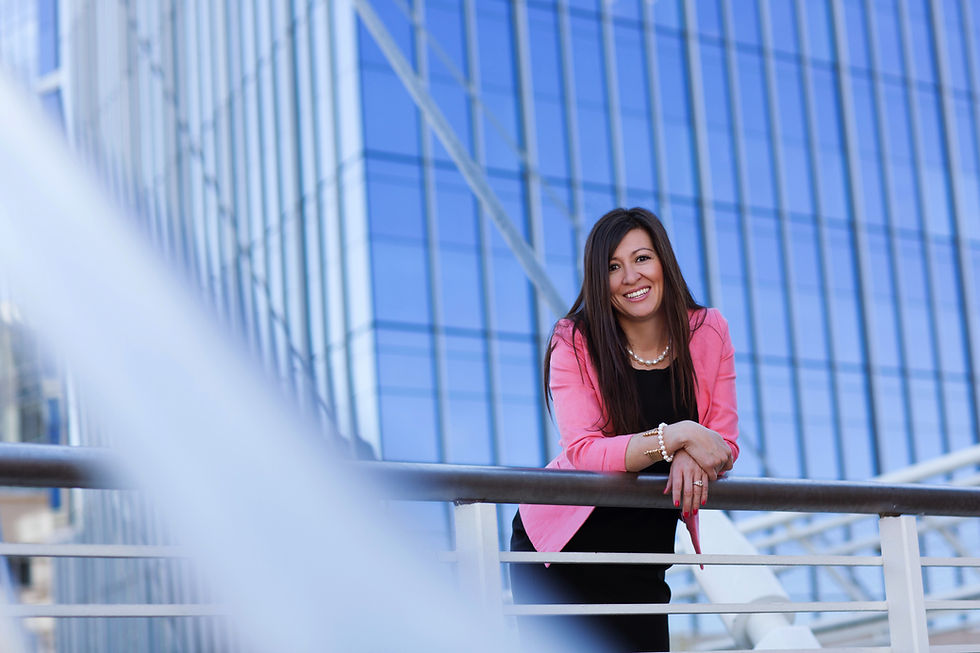
Lifestyle photos can fill that gap. These are images that show you in a more natural setting, often sitting, walking, laughing, holding tools of your trade, or simply being present in a space that fits your personality. They still look intentional, but they feel less posed.

Nature and lifestyle settings make photos more welcoming
Outdoor and lifestyle portraits work well because they create context. A background with trees, soft light, textured walls, open fields, a porch, or a quiet neighborhood street can make an image feel grounded and personal.
Nature-based photos are especially effective for professionals who want to communicate calm, honesty, creativity, or care. They remove the pressure that can come with traditional studio portraits. Shoulders drop. Expressions soften. The final images often feel more like an introduction than a performance.
That kind of tone can help attract clients who are looking for someone approachable. This is especially useful when the service involves trust, conversation, guidance, or one-on-one support.
A lifestyle session might include:
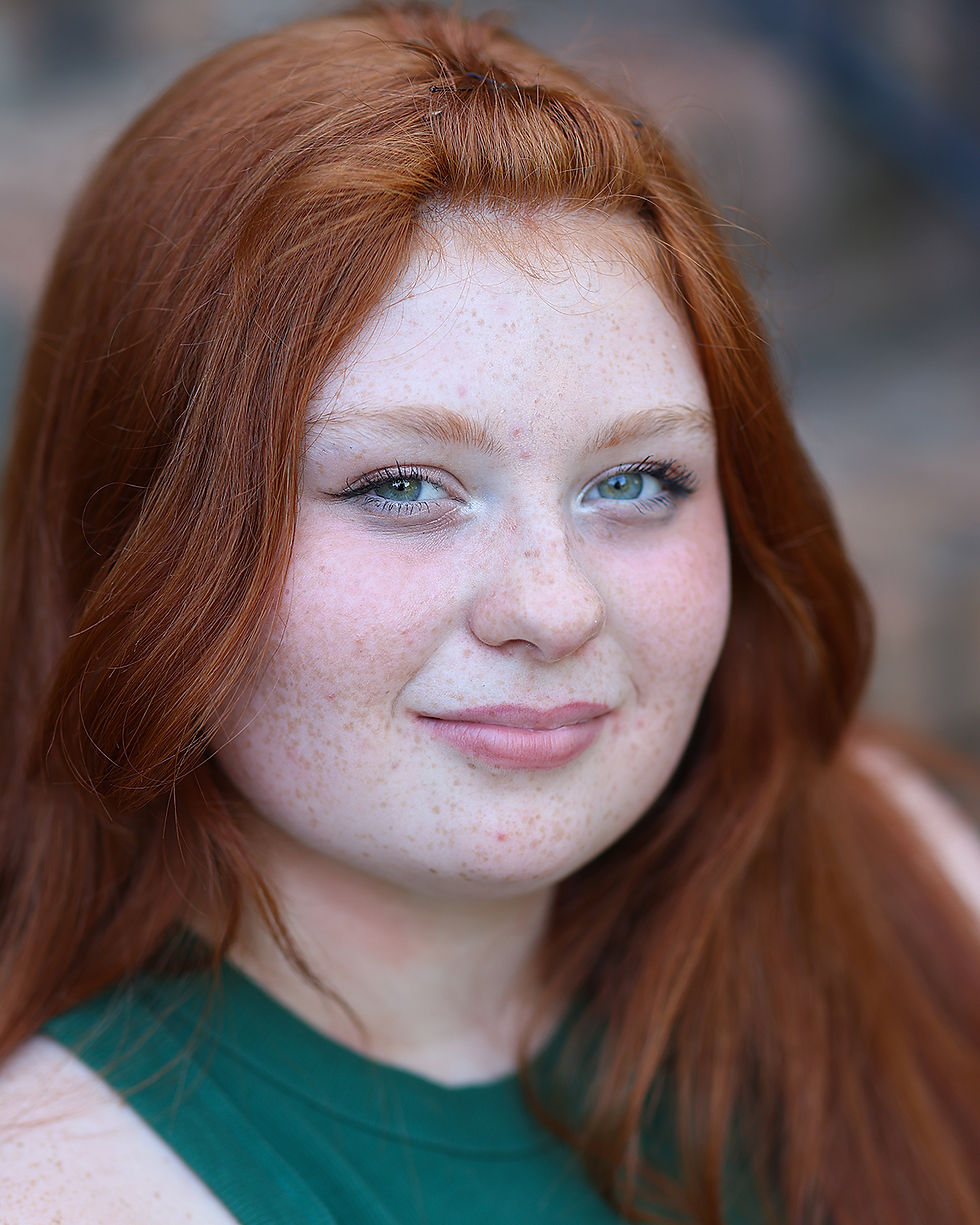
A clean head-and-shoulders portrait for LinkedIn
A relaxed seated image for an about page
A walking or candid image for a website banner
A few close-up details for social profiles or newsletters
A horizontal image with space for website text
With a small set of varied photos, you can keep your online presence consistent without using the same image everywhere.
Quick sessions can make a big difference
Many people put off updating their photos because they imagine a complicated full-day production. In reality, a simple session can be quick and easy.
A short, focused session can produce several useful images if it is planned well. The key is knowing where the photos will be used before the session begins. A LinkedIn profile image needs a different crop than a website header. A speaker bio may need a clean, simple portrait. An about page can often use something more relaxed.
A good quick session does not require many outfit changes or props. It needs good light, a setting that fits your work, and clear direction. Even 20 to 30 minutes can be enough for updated professional photos when the goal is simple and practical.
The point is not to create dozens of images. The point is to create the right few.
Outdated photos can create small moments of doubt
Updated photos help your presence feel aligned across platforms. When your LinkedIn photo, website image, profile bio, and email signature all feel like they belong to the same person, your business instantly feels more put together.
That consistency is not about vanity. It is about reducing friction.
A stronger photo library gives you more ways to show up
One headshot is useful. A small image library is better.
When you have a mix of headshots and lifestyle photos, you can update your website, refresh your profile, submit a speaker photo, introduce yourself in a newsletter, or announce a new service without scrambling for an image. This keeps your presence current and saves time.
A practical photo set may include:
One direct-to-camera headshot
One smiling portrait with a relaxed expression
One seated lifestyle image
One image with negative space for website use
One candid or movement-based photo
One close-up detail that supports your visual style
This gives you flexibility while keeping your look consistent. It also helps your personality come through in more than one way.

The right photos make it easier for clients to connect
People want to know who they are contacting. They want a sense of your energy, your style, and your level of care. Strong photos help answer those questions before a message is ever sent.
Updated headshots and lifestyle photos are not just a visual refresh. They are part of how you introduce yourself. They help your online presence feel current, trustworthy, and welcoming.
If your current photo no longer feels like you, that is reason enough to update it. A quick, simple session can give you images that work across LinkedIn, your website, directories, and everyday business needs.
The best professional photo does not make you look like someone else. It helps clients recognize the person they already hoped to find.

Comments