How Lifestyle Product Photography Helps You Market And Sell Your Products

A great product can still be hard to sell if people cannot picture it in their own lives.
That is where many passionate makers, shop owners, and product based businesses get stuck. They know the care behind the product. They know the materials, the process, the purpose, and the story.
But when it comes time to show that product to a buyer, a plain photo on a white background may not say enough.
This is where lifestyle product photography helps you succeed in showing your passion. It shows the product being used, worn, held, poured, packed, gifted, cooked with, carried, or enjoyed in a real setting.
Instead of asking customers to imagine the value, the photo gives them a scene they can understand right away.
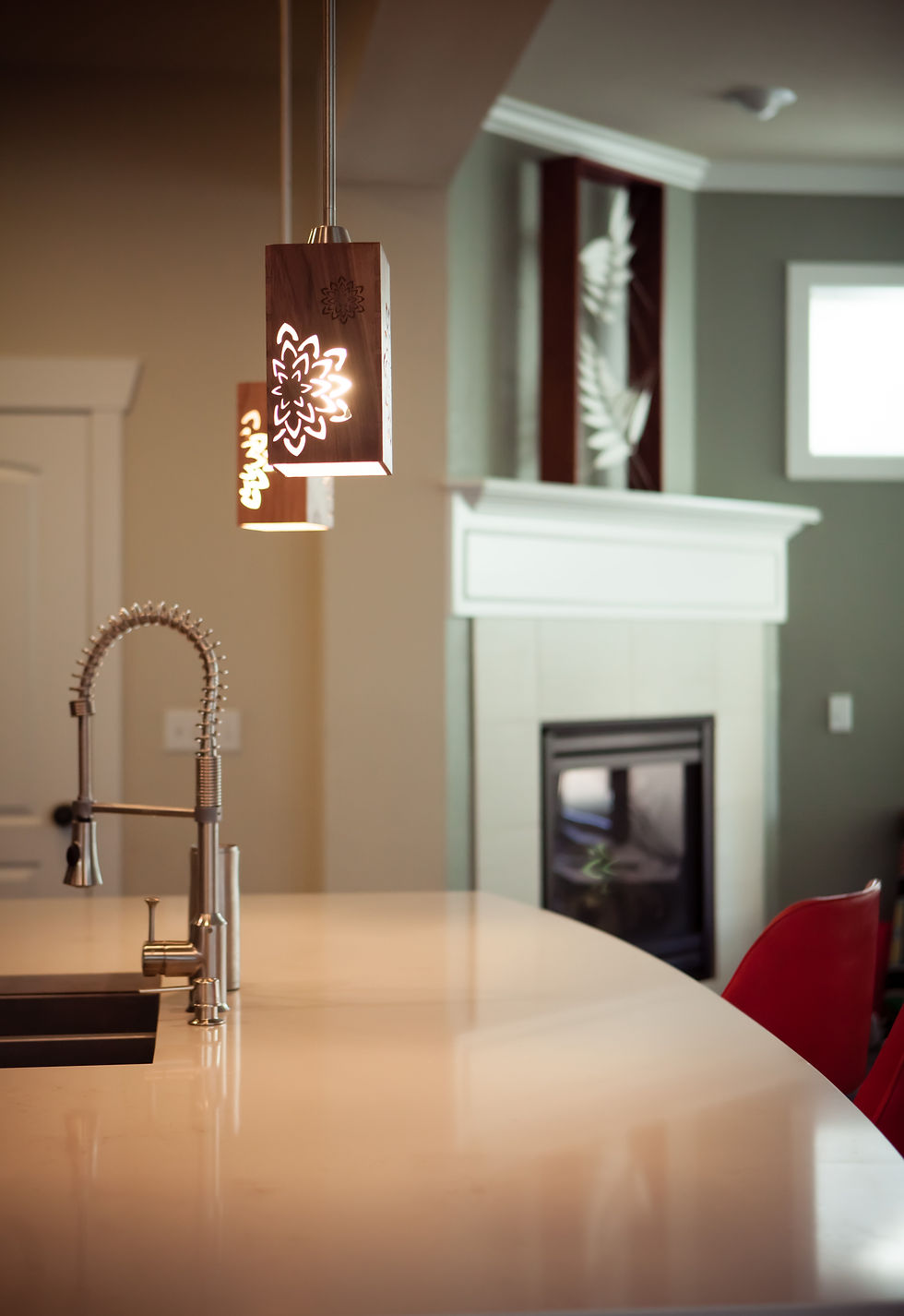
Lifestyle photos show the product in context
Product-only images on white or black have a place. They show shape, color, texture, and details. They are useful for online stores because customers need to see what they are buying.
But a clean product shot often answers only one question.
What does it look like?
A lifestyle image answers more.
It helps people understand:
Where the product fits
How it is used
Who might enjoy it
What feeling it creates
Why it may be useful or desirable
A candle photographed by itself can look nice. A candle photographed beside a bathtub, a folded towel, and a book suggests calm. A handmade cutting board on a blank background shows the wood grain. The same board covered with sliced bread, cheese, and fruit shows how it can become part of a gathering.
That shift matters because people often buy based on both practical need and emotional connection. They want to know the item works.
Context turns a product into a story without needing a long explanation.
Real life use builds trust faster
Customers are careful. They want to know if an item will look as good at home as it does in a product listing. They want scale, texture, and real use.
Lifestyle photos help answer those doubts.
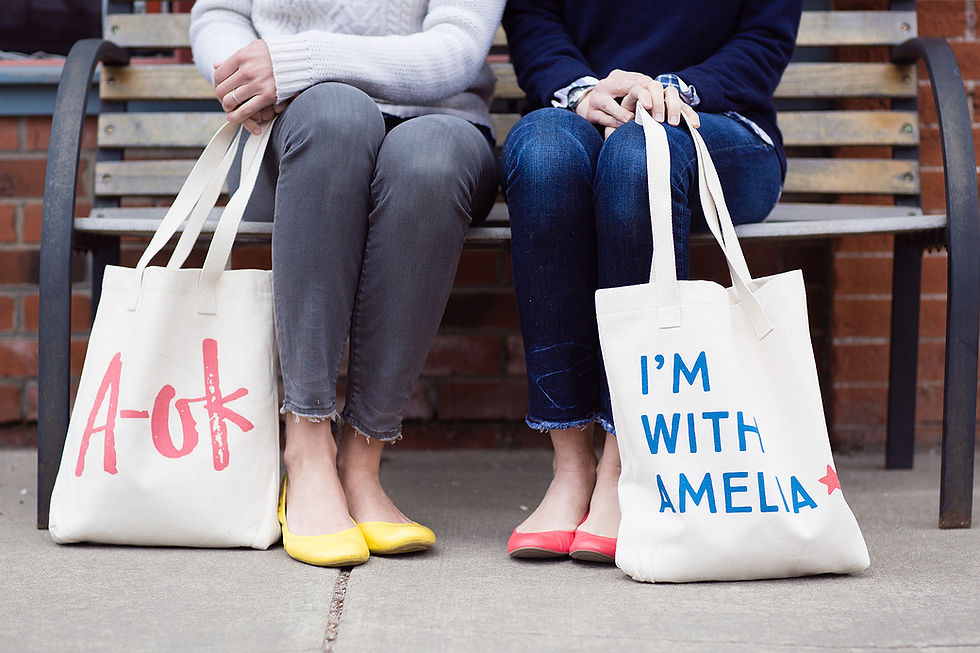
For example, a tote bag photographed flat may show the pattern. A photo of the same tote filled with a book, sunglasses, keys, and a water bottle shows size and function. A skincare product on a bathroom counter feels different from the same bottle floating on a plain background. It gives the customer a more realistic sense of how it may fit into their routine.
This is especially helpful for products that need explanation, such as:
Handmade goods
Food and beverage items
Home decor
Wellness products
Apparel and accessories
Outdoor gear
Pet products
Gifts and seasonal items
The goal is not to create a fake version of life. The goal is to place the product in a believable moment.
A strong lifestyle photo should feel natural. The product should still be the focus, but the setting should support it. Props, hands, light, and background all work together to make the image clear and inviting.
Better images give clients more to work with
Many business owners struggle with marketing because they do not have enough useful content. They may have a product, a website, and a few phone photos, but not a strong set of images that can support regular promotion.
A planned lifestyle session can give them a full library of photos they can use across many places.
That might include:
Website banners
Product pages
Email newsletters
Printed postcards
Market booth signs
Lookbooks
Catalog pages
Packaging inserts
Seasonal campaigns
A good photographer thinks beyond one pretty image. The session can include wide shots, close ups, detail photos, hands using the product, and styled scenes. That variety helps the client tell the same product story in different ways.
For example, a small-batch hot sauce company may need more than a bottle photo. They could use images of the sauce on tacos, beside grilled vegetables, on a picnic table, and in a kitchen prep scene. Each image gives the product another reason to exist.
More useful images means less stress when it is time to promote.
It also helps the business look more consistent. When the lighting, colors, and setting feel connected, the product line feels more polished. Customers may not be able to explain why it looks better, but they can feel the difference.
Lifestyle setups help customers picture ownership
One of the biggest jobs of product photography is to help someone imagine, “I could use this.”
A blanket folded on a white surface may show its color. The same blanket draped over a sofa with a cup of tea nearby shows comfort. A pair of earrings on a stand may show shape. The earrings worn with a simple outfit show proportion and mood. A dog leash laid flat shows the hardware. A leash shown during a walk shows the product doing its job.
The best lifestyle setups are specific enough to feel real but simple enough to keep the product clear.
A few small choices can make a big difference:
Use props that make sense for the product
Keep backgrounds clean and natural
Show scale with hands, furniture, food, or familiar objects
Match the setting to the customer’s likely use
Avoid clutter that steals attention
The product should never feel lost in the scene. If the viewer has to search for what is being sold, the setup is too busy.

Professional photos respect the work behind the product
People who make or sell products often care deeply about what they offer. They choose materials carefully. They test recipes. They refine packaging. They spend time on details most customers may never see.
Poor photos can make that work look less valuable than it is.
Blurry images, harsh lighting, crowded backgrounds, and mismatched colors can cause a product to feel less trustworthy. Even when the item is excellent, the photo may create doubt.
Professional photography helps present the product with the same care that went into making it. That does not mean every image needs to look fancy. In many cases, simple is better. The value comes from clear light, thoughtful styling, strong composition, and a setting that makes sense.
A photographer can also help clients make choices they may not know how to make on their own, such as:
Which settings fit the product best
What props support the story
How to show size and texture
What shots are needed for a website or campaign
How to create variety without losing consistency
That guidance is often just as valuable as the final images.

The right images make marketing feel easier
Many clients do not avoid marketing because they do not care. They avoid it because they do not know what to say or show.
Lifestyle product photography gives them a starting point.
A strong image can suggest a caption, a product description, a seasonal message, or a customer benefit. It can help a business talk about use, mood, quality, and purpose without sounding forced.
For a product-based business, that can change everything. Instead of posting the same product photo again and again, the client has images that show real situations. A coffee blend can be shown during a slow morning. A backpack can be shown on a weekend trail. A handmade bowl can be shown filled with soup at the dinner table.
Good photos do more than make a product look nice. They help people understand why the product belongs in their life.
The takeaway is simple: when clients are proud of what they sell but unsure how to market it, lifestyle images can give their product a clearer voice. They turn passion into something customers can see, feel, and remember.


Comments